
Blog

  • Your Thoughts Are Talking to Your Body. Are You Listening?

    Your Thoughts Are Talking to Your Body. Are You Listening?

    A person lying in distress

    Have you ever felt restless yet exhausted, lying in bed with a multitude of negative thoughts racing through your mind? Perhaps you’re stressing about something that hasn’t even happened yet, or you’re reflecting back on something you said years ago, and your body feels as though it hasn’t slept at all when sunrise arrives. heavy. tense. Perhaps you wake up exhausted, or your stomach feels constricted.

    What if I told you that those ideas are being heard by your body?

    The Comfort Trap of Negative Thinking

    Most of us don’t realize how much time we spend in our own heads, especially in difficult situations. Strangely, negative thinking becomes a habit we fall into because it seems comfortable.

    We tell ourselves things like this:

    “I’ve always been like this.”

    “It’s just how I think.”

    “I can’t help it.”

    With time, these thoughts become typical. However, becoming used to pain doesn’t mean being at peace.

    In psychology, this habit is known as perseverative cognition, which occurs when the brain continues to feed on negative thoughts or memories long after the experience has ended. This does not simply make us sad or anxious. It wears the body down.

    How Negative Thinking Affects Your Body

    Abstract depiction of mind body connection

    Research indicates that our ideas influence everything from how we sleep to how we heal. Here’s what negativity can accomplish:

    Increases stress hormones: When you experience anxiety, doubt, or guilt, your body produces cortisol, the “stress hormone.” If it remains high for too long, it causes anxiety, poor sleep, and weight problems.

    Chronic negative emotions weaken the immune system, reducing the body’s ability to combat infections and recover from disease.

    Increases the risk of heart disease: Chronic stress and negativity have been related to cardiac problems, high blood pressure, and inflammation.

    Disrupts digestion and energy: Have you ever noticed how excessive pondering makes you weary or sick? That is no coincidence.

    💡 Consider your thoughts to be background music: play sad or angry sounds for long enough, and your entire body begins to dance to the tune, even if you want to stop.

    Imagine a Different Dialogue

    What if you could educate your thoughts to be kinder? Can you check yourself and say something more helpful?

    It’s not just wishful thinking; it’s science. Individuals who develop good thinking habits:

    • Get sick less frequently.
    • Sleep better.
    • Are they more emotionally balanced?
    • Recover faster from pain and failure.

    Your subconscious mind is a significant tool for changing your thought patterns.

    Book Recommendation: The Power of the Subconscious Mind

    Book cover of The Power of the Subconscious Mind

    In this iconic book, Dr. Joseph Murphy discusses how your subconscious influences your behaviors, emotions, and even your health.

    He elaborates: “You are the sum total of your own thoughts.” The majority of those ideas are not aware. They’re automatic — repeated every day, quietly controlling how you feel and behave.

    Dr. Murphy tells you how to reprogram your mind by repeating positive affirmations, picturing success, and eliminating limiting beliefs.

    This is not magic; it is mental training. When you combine this mental shift with minor habits, your body begins to behave differently.

    Simple Practices to Start Today:

    1. Morning affirmation

    Say the following: “Today is going to be a good day.” Even if you don’t completely believe it yet.

    2. Nightly gratitude

    Write down two things that made you smile or feel grateful.

    3. Mental Check-In

    When you notice a negative loop, ask yourself, “Is this helping or harming me?”

    4. Visualize your finest self.

    Take 2 minutes every day to imagine oneself healthy, calm, and at peace.

    4-Step Shift to Healthier Thinking

    1. Observe your ideas.

    Raise awareness. You cannot change what you do not see.

    2. Replace; do not resist.

    Instead of stating, “Stop thinking negatively,” say, “Let’s focus on what I can do right now.”

    3. Use mental training techniques.

    Read books like The Power of the Subconscious Mind or listen to meditations to give your brain more fuel.

    4. Have patience with yourself.

    You’ve been practising certain thinking for years. Give your fresh ideas time to grow.

    a person meditating calmly

    Final Thought

    Your body is constantly listening to your thoughts. The stiffness in your shoulders, the tiredness in your chest, the way you breathe — all reflect the quality of your thoughts.

    But here’s the good news: you can respond. You have the option of thinking about something new. You may offer your mind and body a more positive language to live by.

    Consider whether your current ideas make your body feel safe or under threat.

    It is not too late to change the debate. Begin small. Start today! 🙂

  • Not All Friendships Are Meant to Last — And That’s Okay

    Not All Friendships Are Meant to Last — And That’s Okay

    An image depicting two friends walking in opposite directions, symbolizing the natural evolution and fading of some friendships.

    Have you ever noticed that you are losing interest in someone you were once inseparable from? Is it not that strange? You may have late-night conversations and inside jokes one day, but then you hardly text at all. It may seem as though you have failed to maintain the connection or that something is wrong. The fact is, though, that not all friendships are destined to last. And that doesn’t change the significance or integrity of your relationship.

    It still hurts. The loss of a friend causes a unique kind of grief. You relive exchanges, wonder what went wrong, and perhaps even place the blame on yourself. It can seem like silence speaks louder than any disagreement. The fact that “true friends last a lifetime” is something we are taught, but that is not always the case in real life, which makes it difficult. Humans develop. Things change. In addition, there are instances when we simply outgrow one another without any drama.

    So, how do you handle that pain? You agree to it. You cherish what the friendship offered you during that time. Perhaps it gave you joy when you needed it most, perhaps it taught you how to listen better or be more open. Erasing the past is not the same as letting go. It simply entails creating room for the person you are becoming and the new relationships that will be waiting for you there.

    When Growing Apart Is Just Growth

    It is funny how friendship may seem so solid at the time, as if you will always be messaging memes and laughing over coffee. However, life happens. You move places, change jobs, fall in love, and establish new routines. Someone who used to be aware of every idea you had suddenly fades into the background of your feed. It feels personal, but it is rarely that way. People change, and relationships that used to function so well can occasionally no longer match who we are becoming.

    This is supported by science. According to social research, we typically replace 50% of our close friends every seven years. When I initially saw that statistic, it got to me — half! It also made sense, though. We have a limited amount of emotional capacity. We are designed to form close bonds with a select group of people rather than a constantly growing circle. Therefore, it is okay if certain connections naturally end; it merely indicates that you are a human.​

    Furthermore, according to previous research, adults usually only have three to five intimate friendships at any given moment. Consider this: just a small percentage of the individuals we encounter remain in our lives in a significant sense. Even those connections change based on the time of year. Perhaps your priorities have changed, or you have been busier with a new relationship. It simply indicates that life is urging you to realign with your direction, not that you do not care.

    What if we let go of some friendships with grace rather than clinging to them as though they were meant to stay forever? Not all friendships are intended to last a lifetime, but it doesn’t affect their worth. Some friends are destined to accompany us through particular stages, impart knowledge, or provide us with happiness during our darkest moments. And it is acceptable to move on — with love, not guilt — after those chapters end.

    Letting Go, With Love and Intention

    The firm reality is that not all friendships are meant to last a lifetime, which is okay. How we honour them as they evolve or come to an end is what counts. Letting go means accepting the part that person played in your life and creating room for what comes next, not forgetting or failing. Be gentle with yourself if you are currently negotiating a change in friendship. It is a very human situation. Additionally, BetterHelp provides access to certified therapists who can assist you in processing those emotions without passing judgment if you require a little more assistance. Also, check out this research that could help. Both you and your relationships are free to change. Allow them.

  • Profits Over People: What’s the Government not doing!?

    Profits Over People: What’s the Government not doing!?

    Hey, have you ever bought something at the grocery store just to discover later that it had been recalled? Is it not a little strange?

    A supermarket shelf with recalled food products

    A food recall occurs when a product is removed from store shelves because it could make people sick—or worse. It can be caused by germs such as Salmonella or Listeria or by allergens such as peanuts or milk that weren’t listed on the label. These recalls can range from simple inconveniences to life-threatening events, depending on the problem. In either case, no one wants their dinner to include a side of risks!

    Food recalls occur faster than you might expect, and not all of them make headlines. Last year, the FDA recalled many food products because they contained hazardous bacteria or unwanted things such as metal and plastic. It is a frightening concept, but the good news is that food safety agencies work hard to identify these issues before they do serious damage. The concern is that contaminated food may already be in people’s homes before the recall is issued. That is why it is always a good idea to stay up to date on food recalls—it could spare you from a severe stomachache or worse.

    A person checking a food recall notice on their smartphone

    So, how do you protect yourself? For starters, monitor FDA recall warnings or local news. If you hear about a recalled item in your kitchen, do not take any chances; either throw it away or return it to the retailer. It is also a good idea to read labels carefully, especially if you have food allergies. Food recalls may appear challenging, yet they play an important role in keeping us safe. At the end of the day, we all want our meals to be enjoyable rather than risky!

    The Hidden Dangers Behind Food Recalls

    Did you know that hundreds of food products are recalled every year? Most of us assume that the food we purchase is safe. Food recalls occur more frequently than we may realize, and they can be caused by anything from germs hiding in fresh produce to hidden allergies in packaged snacks. While some, like the Boar’s Head deli meat outbreak, make headlines, they may go unnoticed and endanger people. The most terrifying aspect? People may have consumed contaminated food by the time a recall is announced. This is why it is necessary to recognize recalls to understand their causes.

    Contamination from dangerous bacteria like Salmonella, E. coli, and Listeria, which can result in severe sickness or even death, is one of the main causes of food recalls. However, contamination is not the only problem; occasionally, businesses fail to adhere to health regulations, such as high risks in broccoli products, which have caused death. Although many of these recalls go unreported, you would assume that they would always make the news.

    A close-up of a warning label on a recalled food package

    How can you protect yourself, then? Simple practices like fully boiling food, washing fruit, and keeping an eye out for recall warnings can have major effects. Never take a chance! Return or throw away any recalled products you come across in your kitchen. Additionally, let others know if you learn about a major recall! A brief warning could save someone from becoming gravely ill because not everyone stays up to date on food safety updates. Although food recalls may seem like a small frustration, being aware of them helps protect you and your loved ones.

    Stay Informed, Stay Safe: The Importance of Food Recalls

    Stay Alert, Stay Safe: Why Food Recalls Matter. Food recalls are more than just headlines; they are warning signs that can avoid serious disease or even save lives. While we cannot eliminate all risks in the food supply, we can take steps to stay educated and protect ourselves. Make it a practice to monitor recall alerts, store and prepare food securely, and take extra precautions if you or someone you care about has food allergies. Want to learn more about food recalls and why they matter? Check the FDA’s food recall safety page for the most recent alerts and tips. Let us keep informed, share what we know, and make safe choices together!

    An individual checking her food recall alert on their device while holding a recalled product

  • AI Chatbots and Kids’ Mental Health: A Helping Hand or a Risky Path?

    AI Chatbots and Kids’ Mental Health: A Helping Hand or a Risky Path?

    Child Chatting with an AI Chatbot on a Tablet

    Consider this: When your child feels upset after school, they turn to an AI chatbot for some comfort rather than sharing with you or a friend. They write out their emotions, and a kind virtual friend replies with words of support in a matter of seconds. Doesn’t that sound futuristic? This is already taking place, though. AI chatbots are starting to appear in children’s lives providing them with advice on mental health as well as emotional support and assistance. However, as we accept this new reality, a crucial question remains: are these chatbots assisting children, or are they putting them in danger?

    Without a doubt, AI chatbots can provide reassurance. They offer quick feedback, are accessible around-the-clock, and do not pass judgment. These digital assistants may appear like a savior for children who have trouble expressing their feelings or who lack a strong support network. AI-powered dialogues may even aid in children’s emotional regulation development, according to certain mental health experts. Conversely, can a chatbot ever fully take the role of interpersonal communication? What if children grow overly reliant on technology for emotional support rather than learning how to interact with people in real life?

    As parents, caregivers, and educators, we want the best for our kids. We want kids to feel cared for, understood, and emotionally adaptable. However, before we completely accept AI chatbots as a solution for children’s mental health, we must tackle the challenging questions: Are these technologies created with children’s best interests in mind? How do they deal with sensitive emotions? Most importantly, do they empower children or encourage a false feeling of connection? Understanding AI chatbots’ benefits and potential risks for children’s mental health is critical to ensure their responsible and successful use.

    So, let us dive into the topic together! This article will look at all sides of the AI chatbot debate — how they can help, where they may fall short, and what parents should think about before allowing their children to use them. Whether you are excited about this technology or hesitant, one thing is certain: AI chatbots are here to stay, and it is up to us to figure out how they will fit into our children’s emotional lives.

    The Upside: How AI Chatbots Can Support Children’s Mental Health

    A Safe Space for Kids to Open Up

    Children are not always comfortable communicating their feelings with parents or friends. AI chatbots offer a judgment-free environment in which children can express themselves freely. According to a University of Cambridge research published, Dr Nomisha Kurian provides evidence that children are especially vulnerable to viewing AI chatbots as lifelike, quasi-human confidantes, and that their interactions with the technology can frequently go wrong when it fails to address their specific needs and weaknesses. This shows that technology may promote emotional openness. However, relying strictly on AI may hinder further emotional development.

    24/7 Emotional Support at Their Fingertips

    A Child Using an AI Chatbot at Night

    Unlike humans, AI chatbots are always ready to listen and reply. This can be beneficial for children who are feeling stressed or lonely at unusual hours. A review evaluates the characteristics, effectiveness, and challenges of AI chatbots to tackle mental health issues among students by connecting findings from current studies. These technologies improve access to mental health resources, eliminate judgment, and provide constant support. Chatbots should supplement, not replace, human care. Instant access to comfort is ideal, but it should not be the only option.

    Teaching Kids Healthy Coping Strategies

    Many artificial intelligence chatbots do more than just listen; they also lead children through stress-relieving activities. These include breathing exercises, journaling prompts, and positive affirmations. While they can help encourage positive behaviors, they lack the personal touch that a therapist or mentor provides. Kids require real-world experiences to develop emotional resilience. AI can be useful; however, it is not the solution.

    The Risks: Where AI Chatbots May Fall Short

    Can Chatbots Understand Human Emotions?

    A Parent Observing Their Child Using an AI Chatbot

    AI chatbots mimic human conversation but do not truly “feel” emotions. Their responses are based on algorithms, not genuine understanding, which can lead to advice that feels generic or lacks real empathy. Children may mistake programmed responses for real care, affecting their ability to form deep connections. While AI can provide support, it cannot replace human warmth.

    Over dependence on AI for emotional support.

    Using AI for occasional support is good, but relying on it all the time is worrying. Research has demonstrated that excessive use of online technology or digital media can substitute daily offline connections with others and time in different settings, which has a negative influence on mental health. Children must learn to negotiate both real-life and digital relationships.

    Privacy and Data Concerns

    A Lock Symbol with an AI Chatbot Representing Privacy and Data Protection

    Chatbots collect data to better their responses, but where does that information go? Many platforms record interactions, prompting concerns about privacy and security. Parents should review data policies to ensure that their child’s information is protected. Children should also be taught digital boundaries — what is appropriate to share and what is not.

    What Parents Should Consider Before Letting Their Child Use AI Chatbots

    Finding the right AI chatbot

    Not every chatbot is intended for mental wellness or child safety. Some provide emotional support, while others are simply casual chat bots. Parents should look for credible platforms, ideally those backed by child psychologists. Choosing the correct chatbot ensures that children receive appropriate and secure support.

    Encourage Real-World Communication

    While chatbots can provide useful insights, nothing can replace human interaction. Children should be encouraged to share their feelings with their parents, teachers, or friends. Open interactions at home help children build emotional resiliency. Meaningful relationships should be enhanced by AI, not replaced by it.

    Setting Healthy Boundaries

    AI chatbots should enhance, not replace, human engagement. Setting usage limitations can help to avoid dependency and encourage real-world connections. Parents should also monitor chatbot conversations to ensure that children receive positive guidance. Balance is essential — technology should improve, not destroy emotional well-being.

    Final Thoughts: Finding a Healthy Balance

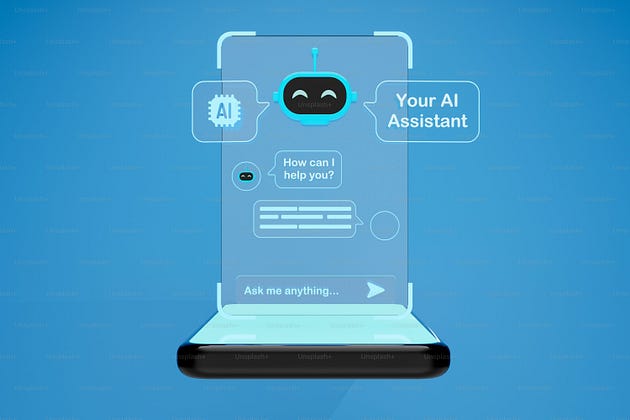
    A Friendly AI Chatbot on a Smartphone Screen

    AI chatbots can be a useful tool for children, providing support and teaching coping methods, but they should never replace real-life human connections. As parents and caregivers, it is critical to establish limits, select safe platforms, and promote open discussions about AI. By remaining involved, we can help children utilize technology in a way that promotes their emotional well-being. For additional information, see AI Risks to Children, A Quick Guide for Parents. Together, we can develop a balanced strategy in which AI complements rather than replaces real-life connections.